
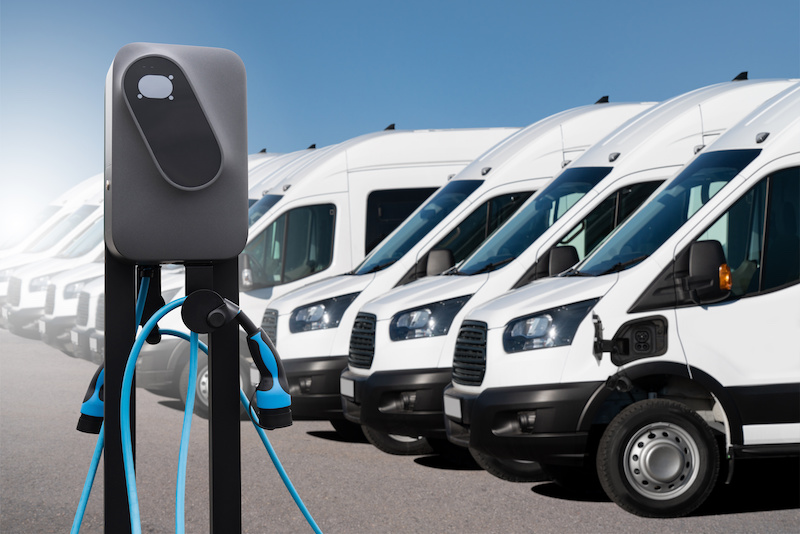
A study conducted by Northgate Vehicle Hire has revealed that if all commercial vans in the UK were electric, it could cut CO2 emissions by 3.4 million tonnes per year, but it could also save businesses money if they transitioned to an EV fleet.
The van hire specialist says that with electric vans producing an average of 50g of CO2 per mile, one van would be producing around 1.4 tonnes a year – 68% lower than its diesel counterpart.
But Northgate says transitioning to electric vehicles could also save businesses an average of £1125 per van annually, with privately installed charging infrastructure reducing costs by 41%, or around £0.10 per mile. On average, a diesel van costs 17p a mile to fuel, and with the average commercial van travelling 17,500 miles a year, it is costing businesses £2975 to fuel one van in their fleet.
To help businesses begin the transition to an EV fleet, Northgate offers the following advice:
1. Review your fleet for vehicles with suitable electric vehicle alternatives
Start by identifying whether you operate any vehicles with suitable electric vehicle alternatives. The most obvious candidates will have the following qualities:
• Vehicles operating on a low daily mileage: Electric vehicles can reach driving distances of anywhere from 75+ miles on a single charge. 120 miles or less is the sweet spot for many electric vehicles.
• Smaller payloads: Smaller or lighter payloads are more likely to have an electric vehicle alternative with a suitable load weight and driving range.
• Vehicles operating on urban routes: Built-up areas or routes along main roads are far more likely to have conveniently accessible charging infrastructure.
• Charging time: Depending on how a vehicle is used, you may find a vehicle can be topped up with a charge in between jobs and then the single-charge range becomes less limiting.
2. Decide how will you charge any electric vehicles
Electric vehicles require access to a suitable charge point and planning on when they will be charged. Making use of public charge points is a great place to start. According to a government analysis back in January 2020, a driver is never more than 25 miles away from a rapid (50 kilowatt) charge point anywhere along England’s motorways and major A roads.
If your business owns its sites, installing charging infrastructure is another option. This mainly involves choosing which charging technology to go with and finding out whether it can be supported by the power grid or other renewable alternatives.
3. Develop a strategy to ensure a smooth roll-out of electric vehicles
Most businesses will find that taking a phased approach to electric vehicle adoption is the most practical option.
• Fleet policy and reimbursements = Policies on electric vehicles are likely to differ. From fuel reimbursement to Benefit in Kind (BIK) tax, there is a range of things that will need policies behind them. When it comes to reimbursement, the HMRC has provided an Advisory Electric Rate (AER) of 9p for electric vehicles.
• Training = Electric vehicles are straightforward to use but may take some time to adapt to. From questions on how they are charged to what the symbols and dials mean on the dashboard, training sessions can help drivers get acquainted with the vehicle more quickly.
• The scale of implementation = With the approaching end of combustion vehicles, businesses need to decide their overall level of commitment at this early stage. Trialing electric vehicles on your fleet, beginning with a phased approach is a great option in gaining the experience required for transitioning to electric vehicles.
Northgate’s complete guide to transitioning to an electric fleet can be found here: https://www.northgatevehiclehire.co.uk/blog/electric/3-key-steps-for-businesses-making-the-switch-to-electric-vehicles
