
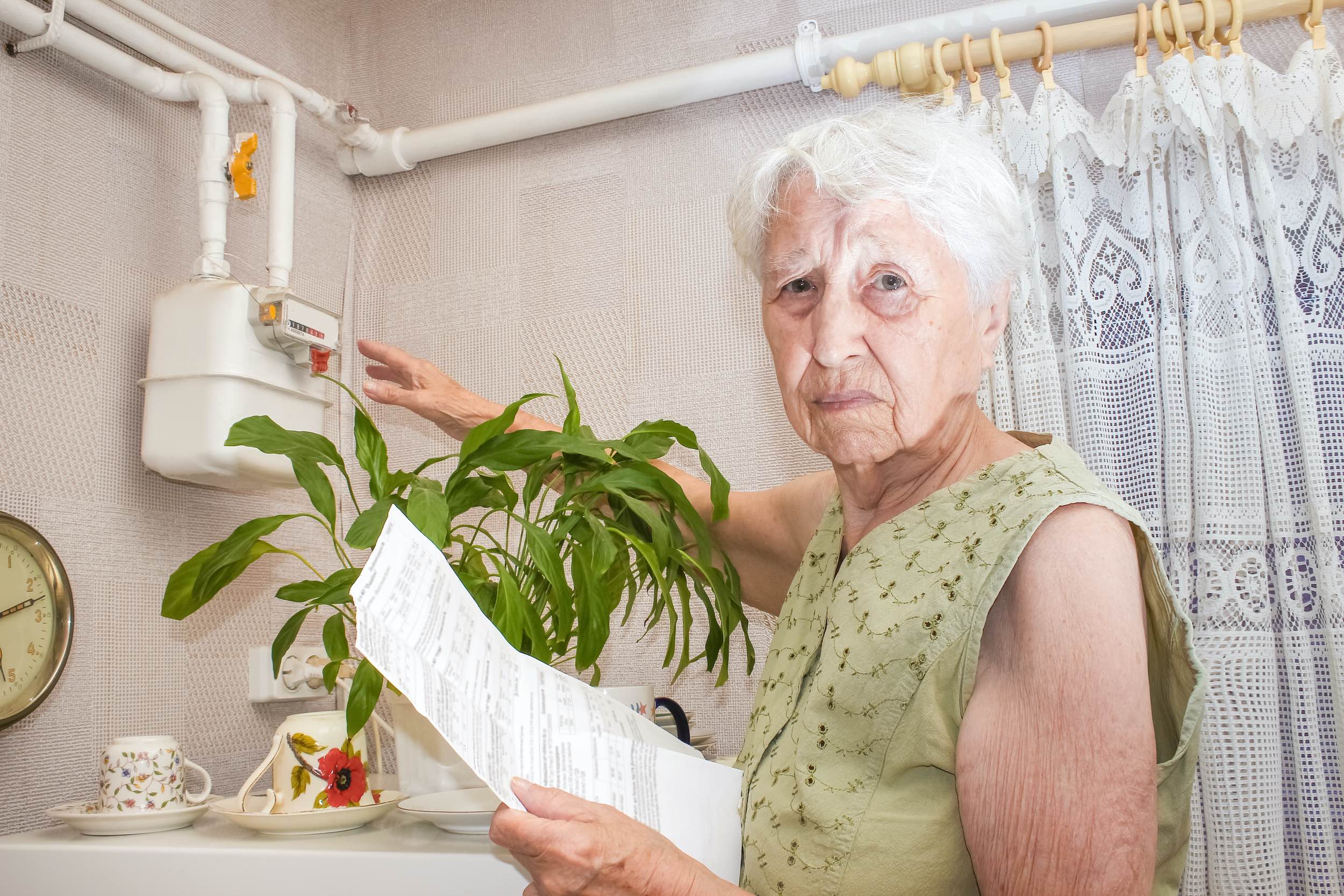
Over 3 million homes in Engalnd were living in fuel poverty in 2020, according to new figures from BEIS, however the charity National Energy Action (NEA) says these figures are two years out of date and expects the UK-wide number to rise to 6.5 million by April.
In 2020, there were an estimated 13.2% of households (3.16 million) in England struggling to afford to heat their homes, slightly down from 13.4% (3.18 million) in 2019 due to a drop in energy prices in the first year of the pandemic.
At the start of October 2021, NEA estimated 4 million households in the UK were in fuel poverty. If its estimate of 6.5m in April holds true, this rise would represent a 50% increase in the number of households affected in the past six months.
Despite the official statistics showing a modest overall reduction in fuel poverty levels, NEA warns it would take over 60 years for government to meet its own reduction targets. The charity says that the government must now set out how it will protect fuel poor households from unprecedented increases in energy bills.
Peter Smith, the NEA’s director of policy and advocacy, says: “Despite a long lag in the government data for England, these new statistics shine a light on a hugely alarming lack of progress to meet the UK government’s statutory fuel poverty commitments. By 2030 there should be no fuel poor households living in energy inefficient homes. But, based on current progress, instead of eight years, it will take over 60 years for that to happen.”
NEA has recently criticised the government’s response to the current energy crisis, saying it is ‘woefully inadequate’. In 2019 the Conservative party manifesto made a commitment to help lower energy bills by investing £9.2bn in the energy efficiency of homes, schools and hospitals in England, but to date less than half of the government’s 2019 manifesto pledge has been committed.
The government also consulted last summer on plans to extend and expand the Energy Company Obligation (ECO), Warm Home Discount (WHD) and Minimum Energy Efficiency Standards in the Private Rented Sector (PRS). The NEA says these proposals were welcomed by key stakeholders, but there has now been a long delay to implement these policies and further hiatus will continue to badly damage the health, wealth and well-being of the poorest households.
Peter Smith continues: “Energy bills could soon reach up to £2000 per year for the ‘average household’ but for those living in the least efficient homes the hikes will be much higher, possibility up to £3000, if they were to heat their homes to a healthy or reasonable level. The energy crisis should be a wake-up call to do far more to protect these households, but key programmes are missing in action. Fully honouring the manifesto commitments and delivering on their previous proposals would immediately help us get back on track. These statistics highlight why we haven’t got any time to waste.”
For more information, visit: https://www.nea.org.uk/energy-crisis/fuel-poverty-statistics-explainer
