
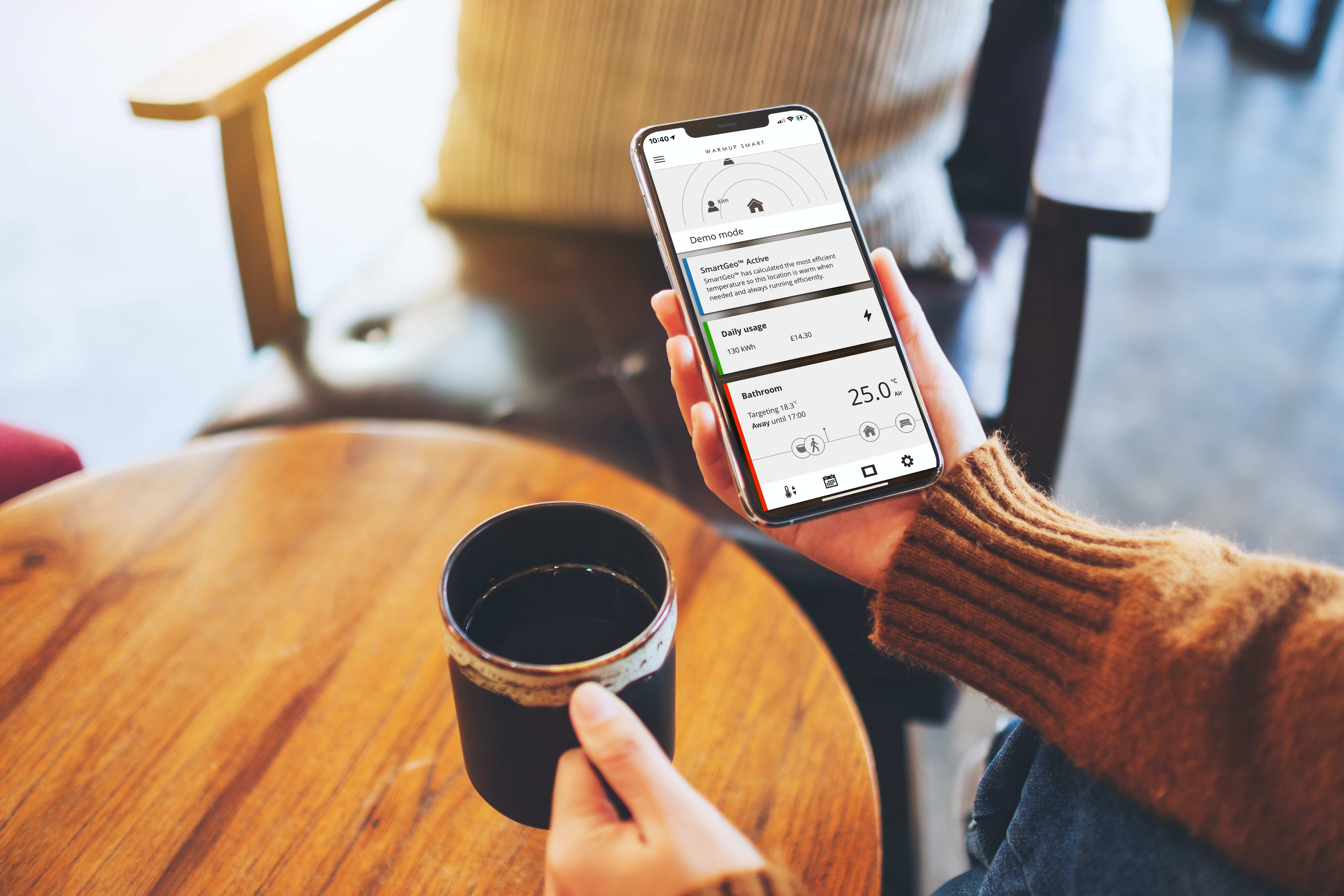
On behalf of BEAMA Underfloor Heating Group, Michael Hollins from Warmup discusses how the latest developments in smart thermostat technology can help installers and end users more easily benefit from the energy-saving features of innovative heating systems.
With rising energy costs and growing concern for the human impact on climate change, it is increasingly important for plumbing and heating engineers to stay up to date with the latest energy-efficient technologies that make heating a home more sustainable and affordable for the end-user. This is especially true as homeowners themselves become more aware of the benefits of these technologies for their homes.
While ensuring that the chosen heating system is as energy efficient as possible is crucial, only half of the benefits may be achieved if the system is not paired with a cutting-edge intelligent control system. Smart controls improve a heating system’s performance, helping to avoid energy wastage and, in turn, lowering its running costs. However, using these controls won’t be enough if all the features aren’t appropriately used.
Geofencing
Perhaps the most widely used of these features is Geofencing, where a virtual boundary around the home is created, and using GPS, the heating is adjusted based on the homeowner’s proximity. This offers a more sustainable, cost-efficient heating solution when used efficiently. The scope of impact for a geofencing smart thermostat becomes even more significant when considering the end user’s lifestyle. For example, somebody who lives a busy life with a routine that may differ from day to day will not have to suffer from the fixed heating schedule of a programmable thermostat and can leave from and return to their home freely with the guarantee that their smart thermostat will adjust accordingly.
Zoning
Standard thermostats commonly only offer a single temperature setting for a whole property and, therefore, miss out on the energy-saving benefits of zoning, which many smart thermostats are designed to work with. Zoning allows the end user to create distinct temperature sectors, each with personalised settings that can be altered and monitored either from the thermostat or even a smartphone. This allows the end user to avoid heating vacant zones, helping to save significant energy, especially for larger properties.
Early Start
Early Start functionality is another smart feature that, in more advanced devices, can work with the local weather forecast to activate the heating at just the right time based on the conditions outside. It’s another great example of some of the innovative energy-saving features that should encourage people to upgrade to smart thermostats.
Smart technology
The latest developments in smart thermostats are designed to help homeowners get the most from their heating systems without needing to be experts or technical wizards.
This is because most issues that may be experienced with the heating system can now be resolved via remote check-ups, which are delivered using secured data received from a Wi-Fi-connected thermostat.
In these check-ups, the device’s settings and control inputs are analysed alongside the system’s temperature readings and historical behaviour to troubleshoot and improve the property’s energy performance. These innovative support services make it simple to proactively identify and address issues to help users fully utilise their thermostat’s features, reducing energy usage by up to 25% whilst guaranteeing that the home is operating as sustainably and cost-efficiently as possible.
The responsibility of installers
Keeping up with technological advancements can inevitably cause stress, and not even the most experienced installers are exempt from this. However, the homeowner is often less familiar with the new technology they have invested in, and therefore, the installer is responsible for helping them access their property’s maximum energy-saving capabilities.
This is why it is so important for engineers to stay informed on the latest developments in smart heating controls, instilling confidence in customers of the innovative ways forward in sustainable heating solutions.
The role of the manufacturer
The installer is not solely responsible for helping the homeowner enjoy the benefits of more innovative, more sustainable heating; manufacturers also share this responsibility. After all, they are the most knowledgeable about the products they provide.
BEAMA Underfloor Heating Group members can be relied upon to provide quality systems and components backed up with great design, customer service and trustworthy advice. This backup from the members ensures that homeowners feel reassured that they can seek additional advice about their product from its source. In turn, this support ensures that they maximise their smart thermostat’s energy-saving capabilities. This service not only benefits the homeowner but also aids in alleviating the burden on plumbers, who will face fewer callouts for issues easily resolvable over the phone.
The thermostat market is set for robust growth in the next decade, and much of this growth is attributed to the trend towards smart thermostats. Installers and manufacturers must facilitate this growth for the outstanding reasons of sustainability and cost efficiency and also to ensure that technological advancements in the industry do not leave us behind.
Contact BEAMA
BEAMA Underfloor Heating Group is the UK’s national trade association for UFH. Its members can be relied upon to provide quality systems and components backed up with great design, customer service and trustworthy advice. To learn more and contact a BEAMA Underfloor Heating Group member, visit: beama.org.uk
